
News
5 min read
May 13, 2026


April 2026 will likely go down as one of the most significant months in AI’s short history, with major releases from all four big platforms.
Across all the major players, this month was a major step towards the integration of AI as a layer across your entire workflow. Read on for the details.
• OpenAI: GPT-4.5 (better reasoning), ChatGPT Images 2 (text rendering solved), Codex updates (agentic coding more practical).
• Anthropic: Claude Design generates branded design assets by reading the code of your website. Plus near-daily updates to Claude.
• Google: Gemini deepens across Docs, Sheets, Slides and Gmail. Workspace Studio opens up no-code automation.
• Microsoft: Copilot Cowork enters beta, AI as a desktop layer across apps, not inside one.

Three meaningful releases:
GPT-4.5 brought genuine improvements to reasoning and conversational quality. The leaps between major models are getting harder to feel month-to-month, but the gap between 4 and 4.5 is solid, particularly on long-form reasoning, multi-step problem solving and the kind of drafting that used to need a bit of prompt labour.
ChatGPT Images 2 is the headline. It has essentially solved text rendering inside AI-generated images. Words on signs, posters, infographics and packaging now appear correctly spelled, properly formatted and laid out in a simpler, cleaner manner. Photorealism has also improved sharply, moving closer to the removal of the over-polished, plasticky sheen.
Codex also received a serious update to its code generation and editing capabilities. Agentic coding, where the model writes, runs and corrects code with minimal human intervention, has moved another step towards practical territory.
Source: openai.com/blog
Anthropic shipped almost daily through April. Most of those updates were small bumps to context handling, tool use and evaluation behaviour. These changes compounded into a meaningful increase in the reliability of pretty much all Anthropic’s offerings.
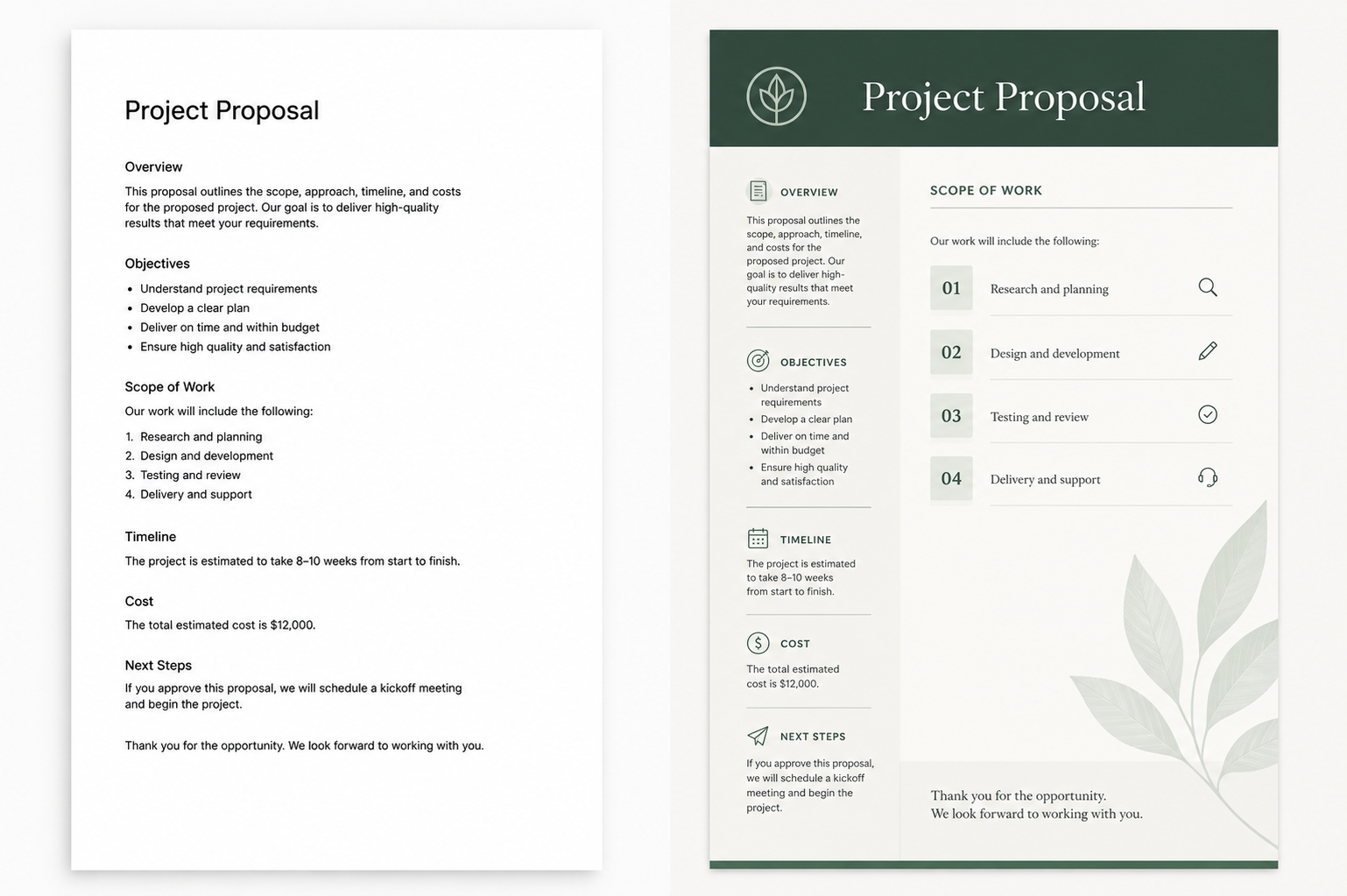
The headline release was Claude Design. A tool that reads the code of your existing website and produces branded design assets and course materials in your style. This is significant because most AI design tools are still producing generic output. Claude Design produces your style, because it can actually read your existing brand. For organisations that produce a lot of internal materials like training, comms, decks, course content or social tiles, Claude Design offers a massive change in how fast you can turn rough ideas into on-brand assets.
We’ve used it at the AI Training Company over the past two weeks. I’m very impressed with how much more creative and nuanced the offering is than other design tools we’ve tried. Key points of value included much faster iteration, sliders for adjusting style and better collaboration with commenting permitted on individual page elements.
Source: anthropic.com/news
Updates from Google’s Gemini this month were a quiet and consistent deepening of almost all its capabilities. Notably, the tool got a major Workspace integration push, with simpler access across Docs, Sheets, Slides and Gmail.
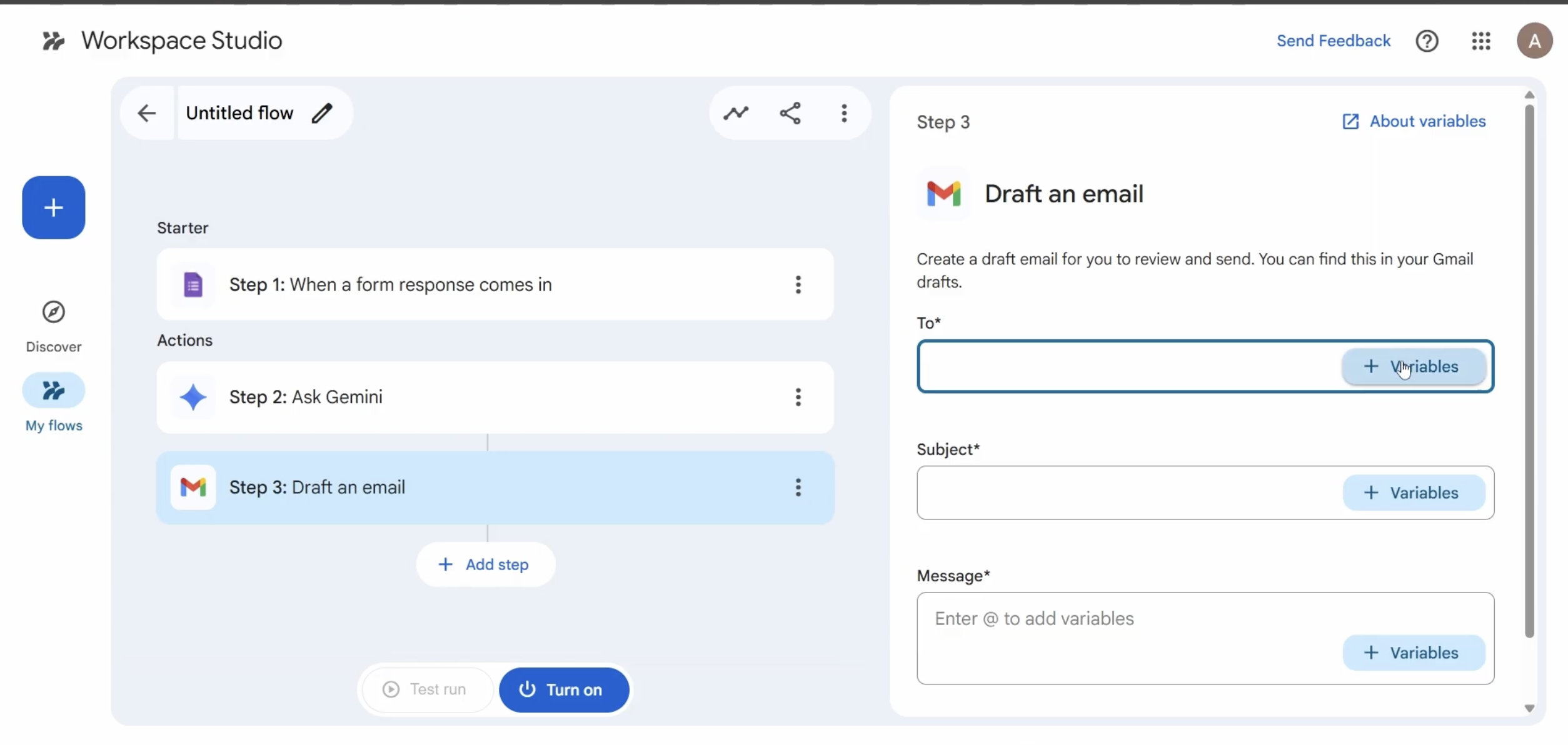
The most useful part for non-technical users is Workspace Studio, which is massively opening up automation to people who don’t write code. We gave a step-by-step video tutorial in our April newsletter, teaching readers how to wire a Google Form to Gemini, so that every form submission produces a personalised email draft in your inbox.
The pace of improvement on the Google side suggests there’s a lot more coming. If your organisation runs on Workspace, the opportunity surface for automation is now considerably bigger.
Source: workspace.google.com/blog
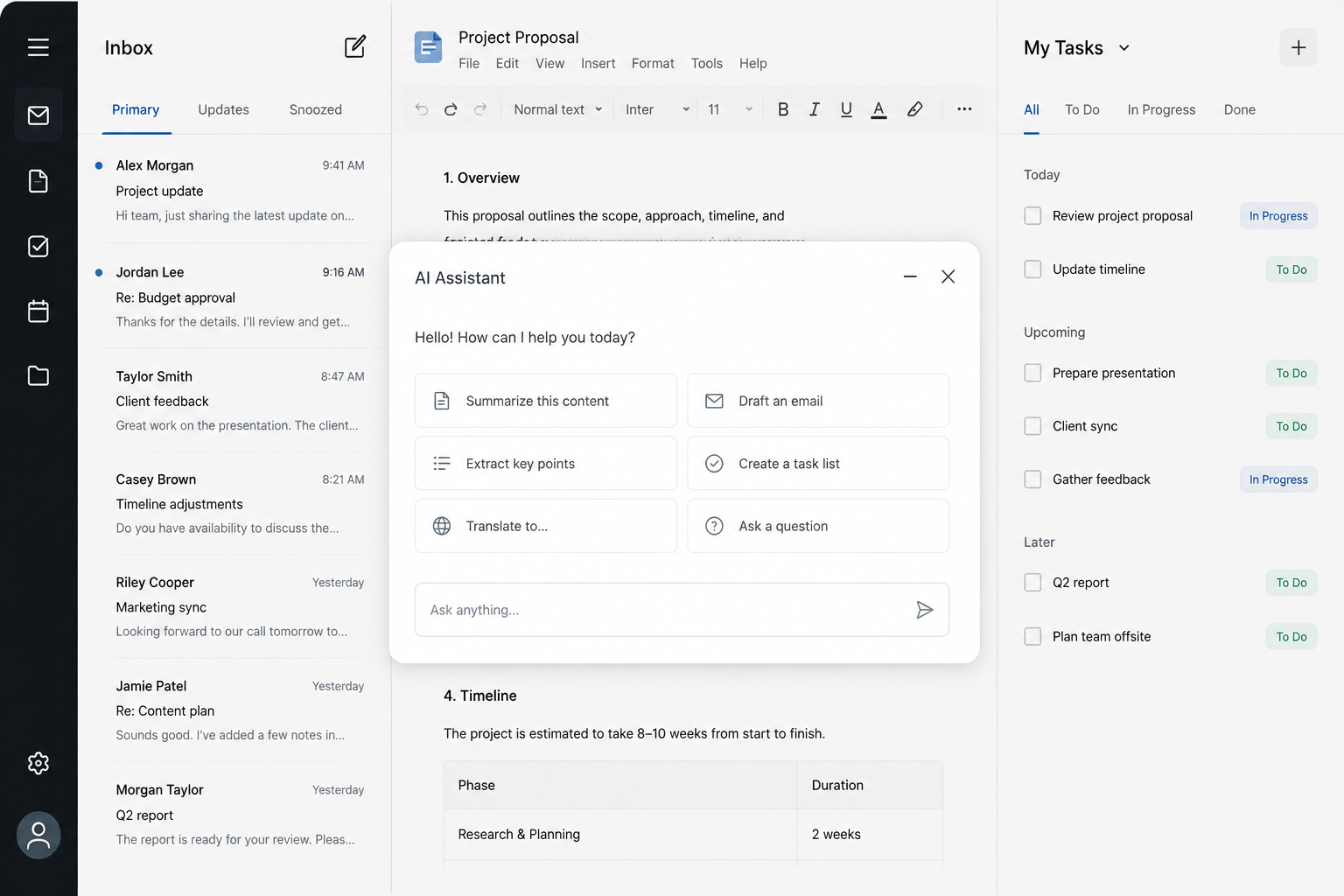
Microsoft has launched Copilot Cowork. Still in beta, the desktop tool is designed to bring AI automation to non-developers, handling file and task management across apps.
It’s still early days for this one. But the direction is one of the most interesting things about this month’s releases.
Copilot Cowork is a complete layer of integration across all areas of your workflow. The same direction Anthropic, Google and Apple are moving in, but from a slightly different angle. This is what we expect AI on your device will look like in 2027 and 2028.
Source: blogs.microsoft.com
You can read those four releases as a list, or take the lessons as a single pattern.
Every major platform is now building toward this layer of complete workflow integration. Image and design tools are getting good enough that the visual web will look noticeably different by the end of the year. Coding agents are good enough that the bar for what a single engineer can ship is rising fast. And the interface for AI is shifting from the chat window to the operating system itself.
Here are three takeaways for the people we work with:
Treat AI as a layer, across your entire workflow. If your mental model is “I open ChatGPT when I need something,” you should start looking into the AI stack that fits your workflow. It’s only going to get easier to wire AI into daily work, Workspace Studio, Cowork, Claude Design, Codex, rather than switching back and forth from chat windows.
Update your framework for visual credibility. AI images are getting way harder to spot. The fake, plastic sheen we’ve been relying on, won’t hold for long. Comms teams, journalists, marketers and educators all need to update how they think about provenance and credibility.
Stay up to date. A year ago, reading a quarterly report would keep you across most of the big changes in AI. Staying on top of things is now, at minimum, a weekly habit. Pick a podcast, pick a newsletter (We know a decent one 😉: AITC Dispatch), pick something. The cost of being a release cycle behind is going up.
• How Microsoft Cowork holds up in wide organisational use, beyond the demo.
• Whether Claude Design’s style-from-code approach is matched by other providers.
• Whether GPT Images 2 and Veo 3.1 hold their quality at scale, or regress.
• Where Workspace Studio automations start showing up in our clients’ actual workflows.
If you’d like to talk about what any of this means for your team, that’s the work we do. AITC runs hands-on training and advisory engagements for organisations that want their teams to use AI safely and effectively. Get in touch.